If you’re planning a boiler installing job, one of the first questions that usually comes up is this: “Do I need new radiators as well?” It’s a fair question. A new boiler isn’t cheap, and no one wants to spend more than they have to.
I’ve fitted plenty of boilers in homes across Merseyside where the radiators were absolutely fine. I’ve also walked into houses where it was clear the boiler wasn’t the only thing that needed attention. The truth is, it depends on the condition of your current radiators, how old the system is and what you’re hoping to achieve from the upgrade.
Let’s break it down properly so you can make a sensible, informed decision.
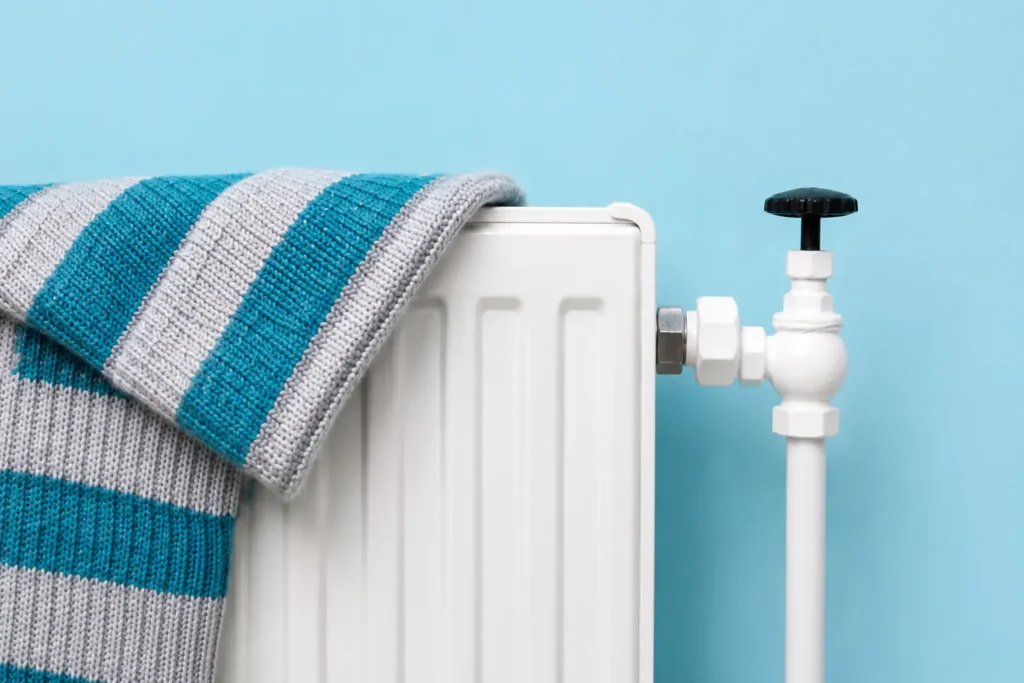
Do You Need New Radiators With a New Boiler?
In most cases, no, you don’t automatically need to replace your radiators when you install a new boiler.
A modern condensing boiler will work perfectly well with existing radiators as long as they’re in good condition and correctly sized for your home. We often install new boilers in properties in Greasby, Wallasey and Birkenhead where customers keep most or all of their existing radiators.
That said, a new boiler is the heart of your heating system. If the rest of the system is tired or poorly designed, it makes sense to look at the bigger picture while the work is being done.
When Replacing Radiators Makes Sense
There are situations where changing the radiators alongside the boiler is the right call.
1. They’re Full of Sludge or Rust
If your current system is old and hasn’t been flushed properly over the years, the radiators may be full of sludge. You’ll often notice cold spots at the bottom, slow heat-up times or dirty water when they’re drained.
We always carry out a system flush during a boiler replacement, but if radiators are heavily corroded internally, they can continue to cause problems and potentially shorten the life of the new boiler.
2. They’re Leaking or Corroded
This one’s straightforward. If you’ve got visible rust, pinhole leaks or previous repair patches, it’s usually better to replace rather than patch up again.
3. They’re the Wrong Size
Older systems were sometimes fitted with small radiators when insulation standards were lower or rooms were laid out differently. If you’ve extended your home, knocked rooms through or upgraded insulation, your heating requirements may have changed.
A common situation is a big open plan kitchen diner with one small radiator struggling in the corner. A new boiler won’t magically fix that. The heat output has to match the size of the space.
4. You Want Better Efficiency
Modern radiators are designed to work efficiently at lower flow temperatures, which is where modern condensing boilers really shine. If you’re aiming to run your system more efficiently or are thinking about renewables in future, upgrading radiators can help.
When You Can Keep Your Existing Radiators
On the other hand, many homeowners can keep what they have.
- The radiators heat up evenly with no cold spots
- There are no leaks or visible corrosion
- The rooms warm up comfortably
- The pipework is sound
If that’s the case, a proper chemical flush, magnetic filter and good system setup can prepare your existing radiators to work safely with your new boiler.
I often tell customers that if the radiators are doing their job and aren’t causing issues, there’s no need to replace them just for the sake of it. Your money might be better spent on smart controls or improved insulation.
Key Factors: Efficiency, Size and System Compatibility
When deciding whether to upgrade radiators, there are three main things to think about.
Efficiency
Modern boilers are designed to run at lower temperatures to maximise efficiency. If your radiators are large enough to heat the room without needing very high water temperatures, they’re already well suited.
If they’re small and you constantly push the flow temperature up to stay warm, larger or additional radiators may help you run the system more economically.
Size and Heat Output
Every room has a required heat output, measured in BTUs. During a boiler installation, a proper heat loss calculation should be done. That tells you whether your radiators are correctly sized.
Guesswork leads to cold rooms or overheated ones. Neither is ideal.
System Compatibility
If you’re moving from an old regular boiler with a tank in the loft to a combi boiler, most radiators remain compatible. However, very old microbore pipework systems sometimes need careful assessment. In some homes built in the 70s and 80s, pipework can be restrictive.
It’s not always a deal breaker, but it’s something an experienced engineer will check before advising.
Cost vs Benefit: Is It Worth Upgrading Radiators?
This is usually where homeowners pause. Replacing radiators adds cost and disruption. Floors may need lifting and walls redecorating in some cases.
The question to ask is what you gain in return.
- Better heat distribution
- Improved efficiency at lower boiler temperatures
- A fresher look if the old radiators are dated
- Reduced risk of future leaks
If your current radiators are 20 to 30 years old and borderline, upgrading while the system is already being drained can make sense long term. If they’re solid and performing well, keeping them is perfectly reasonable.
It’s rarely an all or nothing decision either. Sometimes we replace a couple of key radiators in larger rooms and keep the rest.
Professional Advice and Next Steps
Every house is different. A three bed semi in Wallasey will have different needs compared to a Victorian terrace in Birkenhead with high ceilings and solid walls.
The best approach is a proper assessment of the whole system, not just the boiler. That includes checking radiator condition, pipework size, controls and overall heat loss.
If you’re unsure, get honest advice from an engineer who’s prepared to explain the reasoning rather than simply upsell new radiators. A good installer in the Wirral should talk you through your options clearly and show you what’s necessary and what isn’t. If you ever need help beyond heating, whether it’s general plumbing services or ongoing service and repairs, it’s worth working with a team that understands the full system.
At the end of the day, the goal is a reliable, efficient heating system that keeps your home comfortable without wasting energy. If you’re considering a new boiler and want straightforward advice tailored to your home, speak to Perry’s Heating. We’re always happy to take a proper look and give you a clear answer.
Need expert advice on your heating system? Contact us today and we’ll help you decide what’s right for your home.